The Ground Beneath It All.
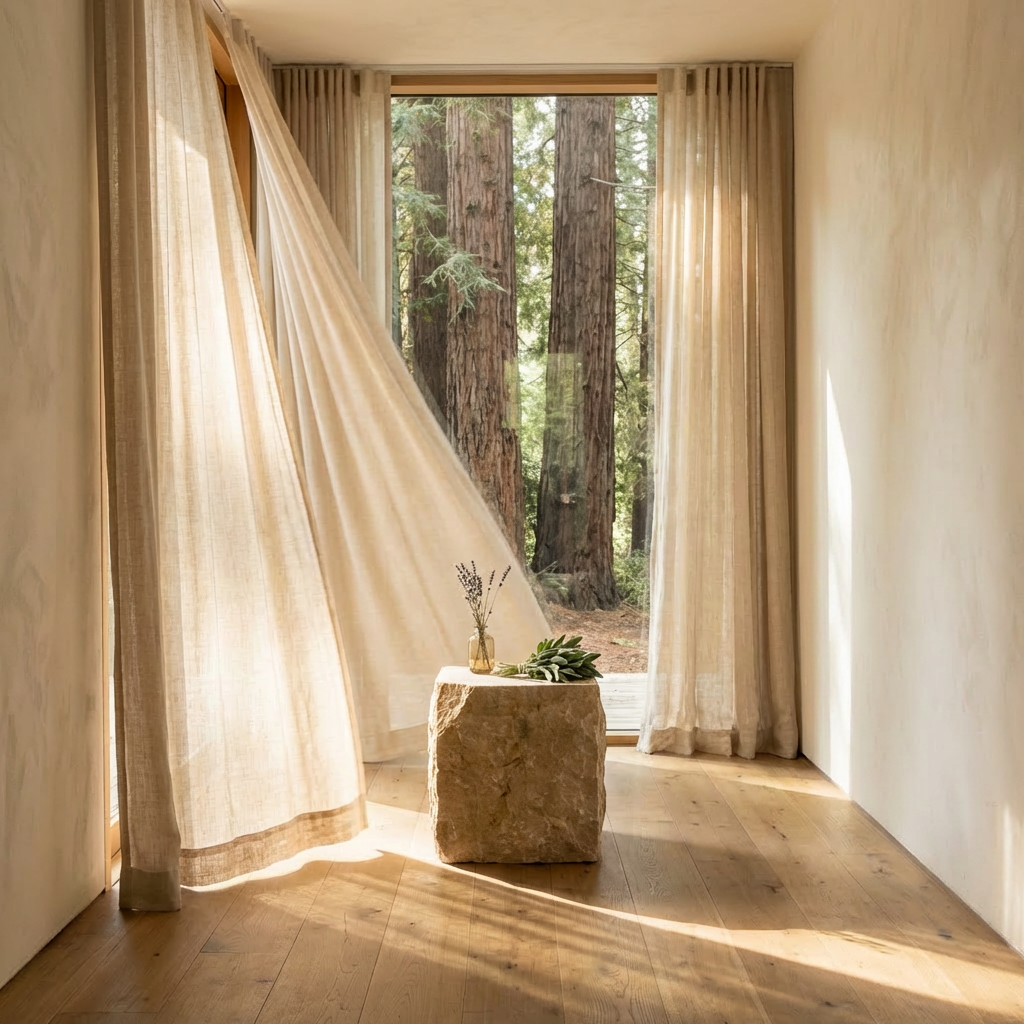
We were not built for constant signal. Not for screens, endless light, or the hum that never fully turns off, and yet this is the environment most of us move through now, every day, without much choice in the matter. Somewhere along the way, being reachable at all times became completely ordinary, and apparently so did spending most of the day looking at something that needs to be charged.
The body sits in front of machines for hours while the mind takes in more images in a single day than it once did in months. Information arrives without pause, our attention moves from one thing to the next, and somewhere in all of that, we can begin to feel untethered from the place we're actually standing. We can spend an entire afternoon everywhere but the room we're sitting in, and not notice until the light outside has changed without us.
There's a difference between being connected and being grounded. One keeps us moving outward. The other brings us back into the body, into our feet, into the breath moving through the lungs, and into the living world around us.
Being close to what is growing does something: feeling the ground underneath us, standing beside a tree that's been there far longer than we have.
Long before wireless signals and glowing screens, life unfolded in constant relationship with the natural world. Light changed gradually across the sky, evening arrived slowly, seasons told us what time of year it was without a calendar, and the body moved inside those rhythms. The Earth still keeps them now. It hasn't sped up to match us, and it doesn't seem especially interested in trying.
Grounding isn't a rejection of modern life. It's proportion inside it, a way of remembering that the body still responds to sunlight, open air, soil, water, and the stability of the ground underneath it, Wi-Fi or no Wi-Fi.
There is still the feeling of bare feet meeting cool grass, the smell of earth after rain, fresh lavender or sage between the fingers, sunlight warming the skin, a hand resting against the living presence of a tree. None of it needs a password, an update, or our attention every thirty seconds. It's simply there, the way it was before any of us had a reason to check.
We carry an older inheritance into modern life. Our senses were shaped in relationship with the Earth long before any signal was constant, and the body hasn't forgotten that simply because everything around it got faster. Ten minutes outside can feel like an entirely different unit of time than ten minutes spent scrolling, and we rarely clock the difference until we're already back inside it.
To step outside and smell something growing, to feel the temperature of the air, to look up through the trees, to let the eyes rest on a horizon instead of another screen. These are ordinary things, which might be exactly why they're so easy to skip. Nature didn't get harder to find. We just got better at not looking.
The networks remain, the signals keep going, and the world doesn't slow down for any of it. Still, there's ground underneath it all, and it was never waiting on us to notice.